How Hydration Affects Focus and Mental Energy
| The idea | Your brain is about three-quarters water, so even mild dehydration is enough to blunt focus, mood and short-term memory. |
| Warning signs | Thirst arrives late — earlier clues are headache, fatigue, a foggy head, irritability and darker urine. |
| What helps | A glass on waking, a bottle within reach, water-rich foods, and electrolytes when you sweat a lot. |
Your brain runs on water
Of all the levers you can pull for a sharper mind, hydration is the most overlooked and the easiest to fix. Your brain is roughly three-quarters water, and it sits at the end of a plumbing system that delivers oxygen and fuel through the blood. Learn how hydration affects focus and mental energy and you gain a lever you can pull several times a day, for free — long before you reach for another coffee.
The numbers are striking. Studies repeatedly show that losing just 1 to 2 percent of your body weight in fluid — a level of dehydration you can reach on an ordinary busy morning without ever feeling desperately thirsty — is enough to measurably slow attention and reaction time, dampen mood and weaken short-term memory. In other words, the difference between a foggy afternoon and a clear one is sometimes a glass of water you did not drink.
Signs you might be under-hydrated
The catch with hydration is that thirst is a late alarm. By the time you feel genuinely thirsty, your performance may already have dipped. The earlier, quieter signals are easy to mistake for something else:
A dull headache. Unexplained tiredness or a mid-afternoon energy crash. A foggy, hard-to-concentrate head. A shorter fuse and more irritability than usual. And the simplest physical tell of all — urine that is darker than pale straw. If you feel that classic afternoon slump, being under-hydrated is one of the first and cheapest things to rule out, and it overlaps directly with the causes we cover in what causes brain fog and how to clear it naturally.
Why dehydration drains focus and mental energy
There are several mechanisms working together. When you are low on fluid, your blood volume drops slightly, which makes it a little harder for your heart to push oxygen- and glucose-rich blood up to the brain — the very supply your neurons depend on. Dehydration also throws off the balance of electrolytes like sodium and potassium that nerve cells use to fire and communicate. And the brain itself is sensitive to even small changes in its water content. Stack these together and the result is exactly what people report: slower thinking, lower energy and a harder time holding attention.

How much water do you really need?
There is no magic universal number, and the old "eight glasses" rule is more folklore than science. General guidance for adults often lands somewhere around 2 to 3 litres of total fluid a day, but your real needs rise with heat, exercise, body size, pregnancy and certain health conditions. Importantly, much of that total comes from food — fruit, vegetables, soups and yoghurt all carry water — and from other drinks, including tea and coffee, whose mild diuretic effect is too small to cancel out the fluid they provide.
Rather than counting millilitres, use your body as the gauge. Pale-straw urine and rarely feeling thirsty are good signs you are on track. Dark urine and a dry mouth mean it is time to drink. It is a system you already carry with you.
Everyday habits to stay hydrated
Staying hydrated is less about heroic effort and more about small defaults that make water the path of least resistance.
Start with a glass on waking. You lose fluid overnight, so a tall glass of water first thing — before or alongside your coffee — is one of the highest-value minutes of your day. It is the same habit we recommend first for clearing morning fog.
Keep a bottle within reach. A visible bottle on your desk or in your bag is a constant, gentle prompt. Out of sight really is out of mind when it comes to sipping.
Eat your water too. Building meals around water-rich foods — cucumber, tomatoes, oranges, melon, leafy greens — tops up your fluids and your nutrients at once. Watermelon is a bonus here: it is a natural source of L-citrulline, the amino acid the body uses to help make nitric oxide for healthy blood flow.
Replace electrolytes when you sweat. If you exercise hard, work in the heat or have been unwell, plain water alone may not be enough; a pinch of salt in food or an electrolyte drink helps you actually hold onto the fluid.
Do not overdo it either. Hydration is about balance, not flooding yourself. Steady sips through the day beat forcing litres at once.
Special situations worth knowing about
A few circumstances raise your risk of quietly running dry. The thirst signal naturally becomes less reliable with age, so many older adults are under-hydrated without ever feeling especially thirsty — building water into fixed routines matters more here, not less. Hot weather and exercise obviously increase losses, but so does a heated, air-conditioned office in winter. Illness with fever, vomiting or diarrhoea depletes fluid fast. And some medications, including certain blood-pressure and diuretic drugs, increase how much fluid you lose. If any of these apply to you, be a little more deliberate about sipping through the day, and speak to your doctor or pharmacist if you are unsure how much is right for you.
Beyond water: circulation and the hydrated brain
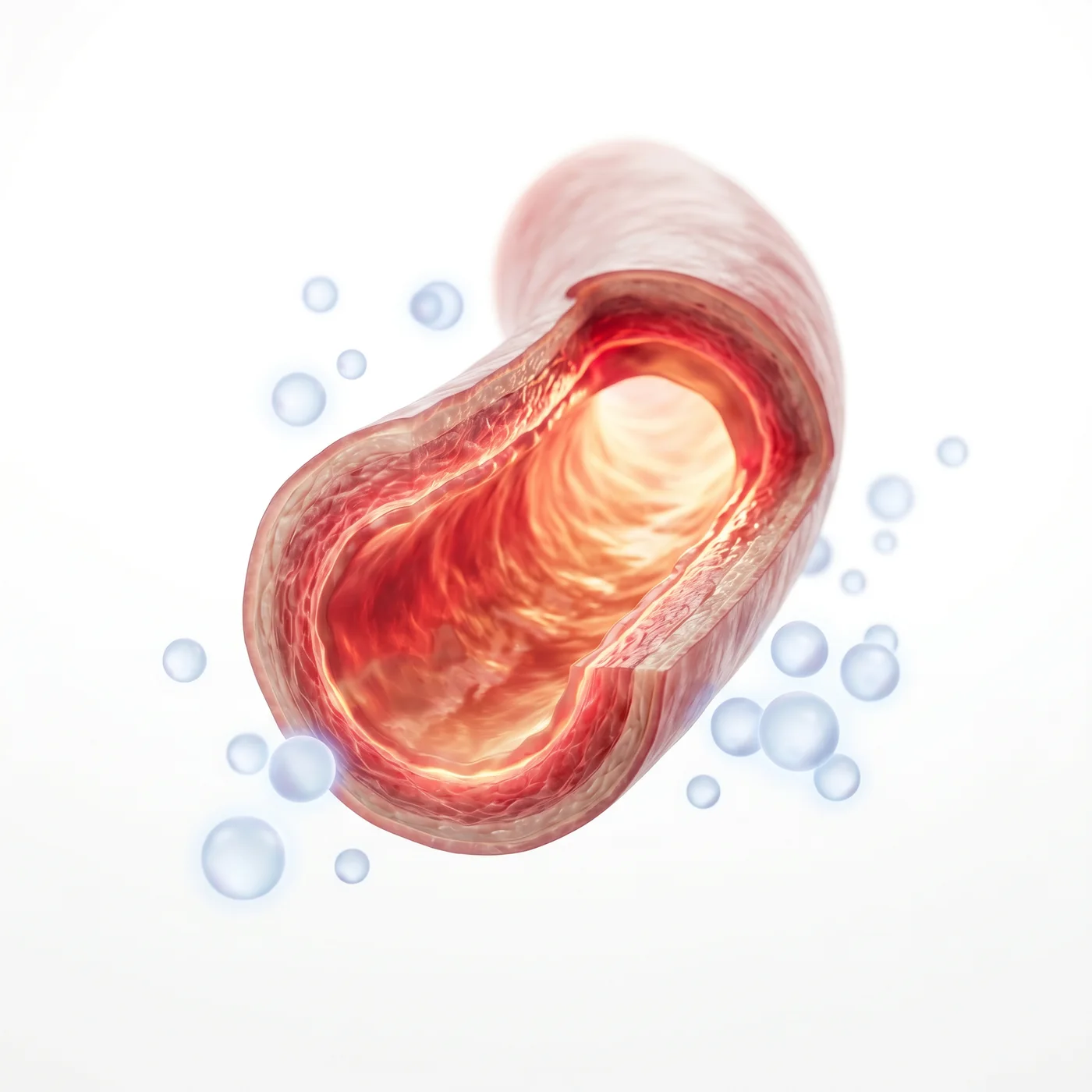
Hydration and circulation are two sides of the same coin. Water keeps your blood volume healthy; healthy blood vessels then carry that blood, with its oxygen and fuel, up to the thinking brain. Those vessels relax and widen using nitric oxide, which the body makes from the amino acids L-arginine and L-citrulline — nutrients a typical diet can run short on. That is where a focused formula fits alongside a full water bottle.
Memodyne pairs L-arginine and L-arginine alpha-ketoglutarate with L-citrulline, plus niacin for normal energy metabolism, beta-alanine for everyday stamina and a little calcium involved in nerve signalling — one capsule a day to support the circulation your mind depends on. It works best as part of a bigger picture: good hydration, whole foods, movement and sleep, exactly the routine we map out in supporting memory and focus naturally after 40 and our roundup of the best foods for memory and concentration. If you would like to add it to your day, see the current Memodyne packages here.
Support your mind from the inside
Hydration is the foundation; Memodyne supports the healthy blood flow your brain depends on — six actives in one daily capsule, backed by a 60-day guarantee.
See Memodyne PackagesFrequently asked questions
Can dehydration really affect focus and memory?
Yes. Research consistently finds that even mild dehydration — a fluid loss of just 1 to 2 percent of body weight — is enough to reduce attention, slow reaction time, worsen mood and weaken short-term memory. Because the brain is roughly three-quarters water, it is sensitive to small changes in hydration.
What are the early signs I am dehydrated?
Thirst is actually a late signal. Earlier clues include a dull headache, unexplained tiredness, difficulty concentrating, irritability, and urine that is darker than pale straw. If you feel foggy in the afternoon, being under-hydrated is one of the first, easiest things to rule out.
How much water do I really need each day?
There is no single number for everyone. General guidance often lands around 2 to 3 litres of total fluid a day for adults, but your needs rise with heat, exercise, body size and some health conditions. Much of your intake can come from food and other drinks. A practical gauge is pale-straw urine and rarely feeling thirsty.
Does coffee or tea count toward hydration?
For most people, yes. The mild diuretic effect of normal coffee and tea is modest and does not cancel out the fluid they contain, so they contribute to your daily total. Water is still the cleanest default, especially if you are sensitive to caffeine or drinking large amounts.
Beyond water, what else supports a sharp, energised brain?
Hydration works alongside healthy blood flow, steady blood sugar and good sleep. A supplement like Memodyne is designed to support circulation with amino-acid precursors to nitric oxide, plus niacin and beta-alanine — a complement to good hydration and habits, not a replacement for drinking enough water.
References
- National Academies of Sciences, Engineering, and Medicine — dietary reference intakes for water and electrolytes.
- CDC — consumer guidance on water and healthier drinks.
- Nutrients / British Journal of Nutrition — studies on mild dehydration and cognitive performance.
- Harvard T.H. Chan School of Public Health — The Nutrition Source, on water and hydration.
- American Physiological Society — research on blood volume, circulation and the brain.
The Memodyne Research Team is a small group of writers and reviewers focused on everyday cognitive health — memory, focus, hydration, healthy circulation and the daily habits that support them. We read the primary research, translate it into plain language, and fact-check every guide before it is published. Our articles are general education and are not a substitute for advice from your own doctor.
† These statements have not been evaluated by the FDA. This product is not intended to diagnose, treat, cure or prevent any disease. This article is for general information only and is not medical advice.