How Alcohol Affects Your Memory and Focus
| The link | Alcohol slows the brain in the moment and disrupts sleep afterwards, so both same-night memory and next-day focus suffer. |
| Why | It interferes with the hippocampus (where memories form) and strips the restorative stages of sleep the brain relies on. |
| What helps | Drink less and earlier, alternate with water, never on an empty stomach, and protect the night’s sleep. |
A quiet drain on a clear head
A glass of wine to unwind, a couple of beers with friends — alcohol is a normal part of social life for many adults, and this is not a lecture. But if you care about thinking clearly, it is worth understanding how alcohol affects memory and focus, because the effects reach well beyond the evening itself. Alcohol touches the brain twice: once while you are drinking, and again the next day through the sleep it disrupts. Even amounts most people would call moderate can leave your concentration and recall running below par the following morning.
Understanding the mechanism is not about guilt; it is about making informed choices. When you know exactly what alcohol does to attention, memory and sleep, you can decide how much, how often and how late in a way that protects the clear head you want.
How alcohol affects focus in the moment
Alcohol is a depressant. That does not mean it makes you sad — it means it slows down the central nervous system, damping the communication between brain cells. As blood alcohol rises, the brain’s signalling becomes sluggish and imprecise. The visible effects are familiar: slower reaction time, poorer coordination, softer judgement and a shorter, more scattered attention span. Complex thinking — holding several things in mind, planning, weighing consequences — is among the first casualties, because the brain regions responsible for it are especially sensitive to alcohol. Focus, in short, is one of the earliest things to go, often before a person feels obviously affected.
Why alcohol blanks out memory
The most striking effect is on memory formation. Deep in the brain sits the hippocampus, the structure that turns fleeting experiences into lasting memories. Alcohol interferes directly with the hippocampus, and the faster blood alcohol climbs, the more it struggles to do its job. Past a certain point the brain can largely stop laying down new long-term memories altogether — the phenomenon known as a blackout. During a blackout a person can still walk, talk and act, but the events are simply not being recorded, which is why they cannot be recalled the next day no matter how hard they try. The memories were never stored in the first place. Partial gaps — “brownouts” — work the same way on a smaller scale and can happen at more modest amounts than many people assume.

The next-day cost: sleep, fog and forgetfulness
Here is the part that catches people out. A drink or two might help you fall asleep faster, which feels helpful — but alcohol badly degrades sleep quality. As the body processes it overnight, sleep fragments in the second half of the night, and the deep and REM stages that consolidate memory and restore attention are cut short. You may spend eight hours in bed and still wake up under-rested. Because sleep is when the brain files the day’s memories and recharges its focus, that lost quality is precisely why the morning after feels foggy. If you want the fuller picture of that link, our guide to how lack of sleep affects memory and focus explains why the stages of sleep matter so much.
Sleep is only part of the next-day story. Alcohol is a diuretic, so it leaves you dehydrated — and even mild dehydration blunts concentration, as we cover in how hydration affects focus and mental energy. It can also drop blood sugar and leave you feeling shaky and unfocused. Stack disrupted sleep, dehydration and a blood-sugar dip together and you have the cloudy, forgetful, can’t-concentrate state that is really a hangover of the mind. It is one of the most common hidden contributors to the fog we explore in what causes brain fog and how to clear it naturally.
Habits that protect a clear head
For those who choose to drink, a handful of simple habits meaningfully soften the impact on memory and focus. (The only way to avoid alcohol’s effects entirely, of course, is not to drink.)
Keep it modest. The impact on the brain scales with how much and how fast you drink. Fewer drinks, sipped slowly, means far less disruption to memory and sleep than the same amount downed quickly.
Finish earlier. Because alcohol wrecks the back half of the night, try to stop drinking at least three to four hours before bed. The more time your body has to clear it before you sleep, the more restorative that sleep will be.
Alternate with water. A glass of water between drinks slows your pace and offsets the dehydration that fuels next-day fog. It is one of the simplest, most effective habits there is.
Never on an empty stomach. Food slows the rise of blood alcohol, which protects the hippocampus and lowers the risk of memory gaps. Eat before and while you drink.
Give your brain dry days. Regular alcohol-free days let sleep and focus fully recover and keep casual drinking from creeping upward. Many people notice their sharpest thinking on the mornings after a night without any.
Supporting recovery and everyday focus
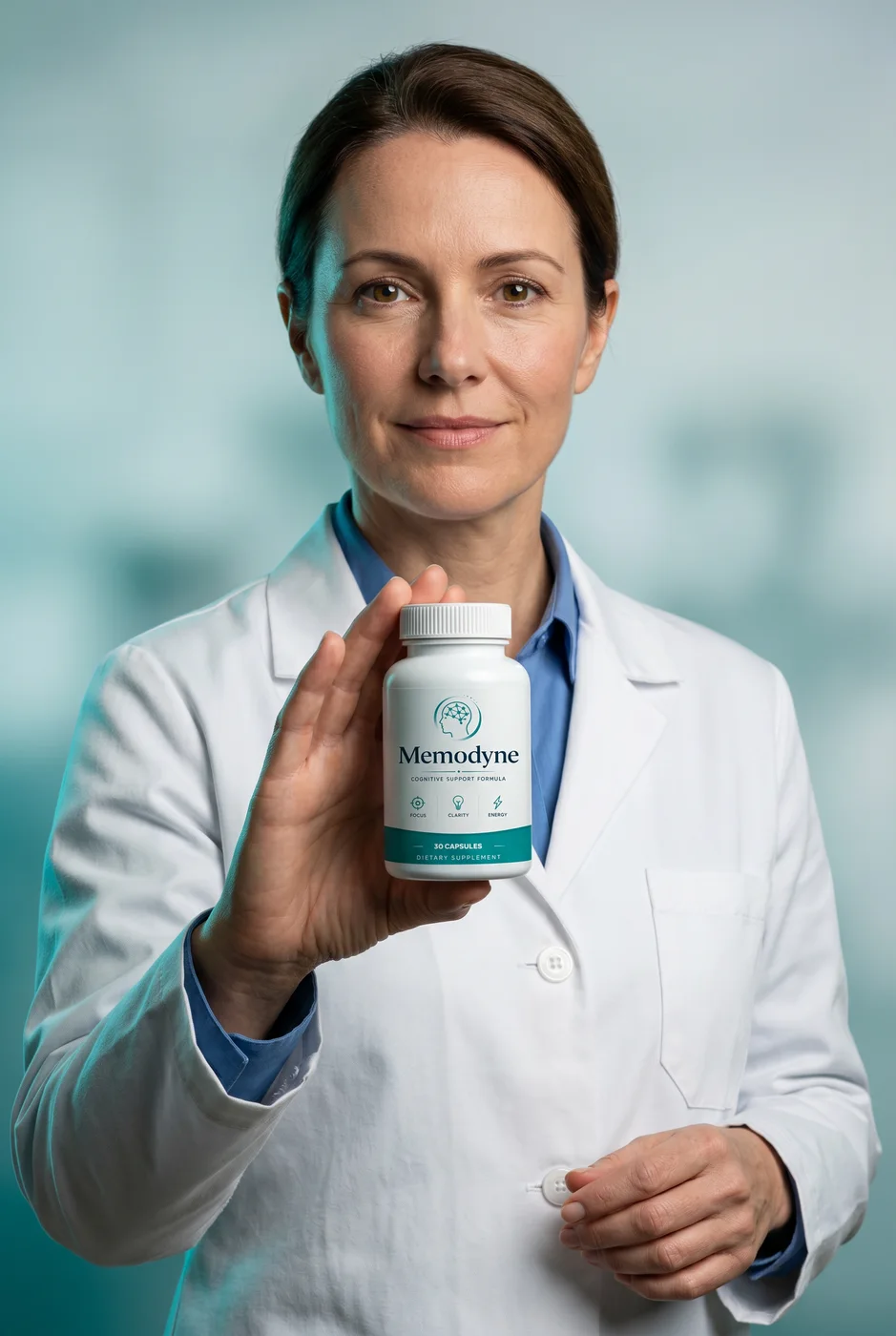
Bouncing back from a night out — and protecting your focus day to day — comes down to the same fundamentals: rehydrate, prioritise the next night’s sleep, move your body, and eat balanced meals. As a daily foundation on top of those habits, Memodyne takes a blood-flow-first approach to cognitive support. Its once-daily capsule supplies L-arginine and L-arginine alpha-ketoglutarate with L-citrulline — amino acids the body uses to make nitric oxide, which helps blood vessels relax — alongside niacin for normal energy metabolism and beta-alanine for everyday stamina. To be clear, it is support for healthy circulation as part of a balanced routine; it is not a hangover remedy, not a treatment for anything, and certainly not a reason to drink more. If a steady daily foundation appeals, see the current Memodyne packages here.
Support a clearer, steadier mind
Memodyne delivers six cognitive and circulatory actives in one easy daily capsule — backed by a 60-day guarantee.
See Memodyne PackagesFrequently asked questions
How does alcohol affect memory and focus?
Alcohol is a depressant that slows communication between brain cells. In the moment it impairs attention, judgement and the brain’s ability to form new memories, which is why gaps and blank patches happen. Afterwards it disrupts sleep — especially the restorative stages — so concentration and recall are blunted the next day even after a modest amount.
Why can’t I remember things after drinking?
Alcohol interferes with the hippocampus, the brain region that turns experiences into lasting memories. When blood alcohol rises quickly, the brain can largely stop laying down new memories, producing partial or complete blackouts. The events were experienced but never properly stored, which is why they cannot be recalled later.
Does alcohol cause brain fog the next day?
Yes. Next-day fog comes from several things at once: disrupted, less restorative sleep, dehydration, low blood sugar and the after-effects of processing alcohol. Together they leave you cloudy, forgetful and unable to focus — a hangover is very much a brain event, not just a headache.
How long before bed should I stop drinking?
Because alcohol fragments the second half of the night’s sleep, it helps to finish drinking at least three to four hours before bed and to keep the amount modest. Alternating alcoholic drinks with water and never drinking on an empty stomach also soften the impact on sleep and next-day clarity.
Can supporting healthy habits protect focus if I drink?
Yes — hydration, sleep, movement and balanced meals all help you bounce back and protect day-to-day focus. For daily support, Memodyne takes a blood-flow-first approach with amino-acid precursors to nitric oxide plus niacin and beta-alanine. It supports healthy circulation as part of your routine and is not a remedy for alcohol or a reason to drink more.
References
- National Institute on Alcohol Abuse and Alcoholism (NIAAA) — research on alcohol, blackouts and memory.
- Sleep Foundation — articles on alcohol and sleep quality.
- Centers for Disease Control and Prevention (CDC) — guidance on moderate drinking and health.
- Harvard Health Publishing — articles on alcohol and the brain.
- National Institutes of Health (NIH) — information on the hippocampus and memory formation.
The Memodyne Research Team is a small group of writers and reviewers focused on everyday cognitive health — memory, focus, stress resilience, healthy circulation and the daily habits that support them. We read the primary research, translate it into plain language, and fact-check every guide before it is published. Our articles are general education and are not a substitute for professional medical advice.
† These statements have not been evaluated by the FDA. This product is not intended to diagnose, treat, cure or prevent any disease. This article is for general information only and is not medical advice.